Interactive workshops
Sessions run as workshops rather than lectures, with the facilitator working the room instead of the front of it.
Youth development · Ages 11–19
Level Up is a facilitator-led life skills program built for the settings where young people already are: schools, ISS and DAEP campuses, juvenile justice programs, churches and community organizations.
Why Level Up exists
Today’s young people are navigating pressures, distractions and choices no previous generation had to handle at the same age. Most of what decides how that goes is not on any syllabus: how you talk to people, how you handle anger, whether you can sit with a decision before you make it.
Level Up is built around that gap. Not lectures about behaviour, and not a motivational assembly that’s forgotten by Friday. A structured program where students practise the skills, in the room, with each other.
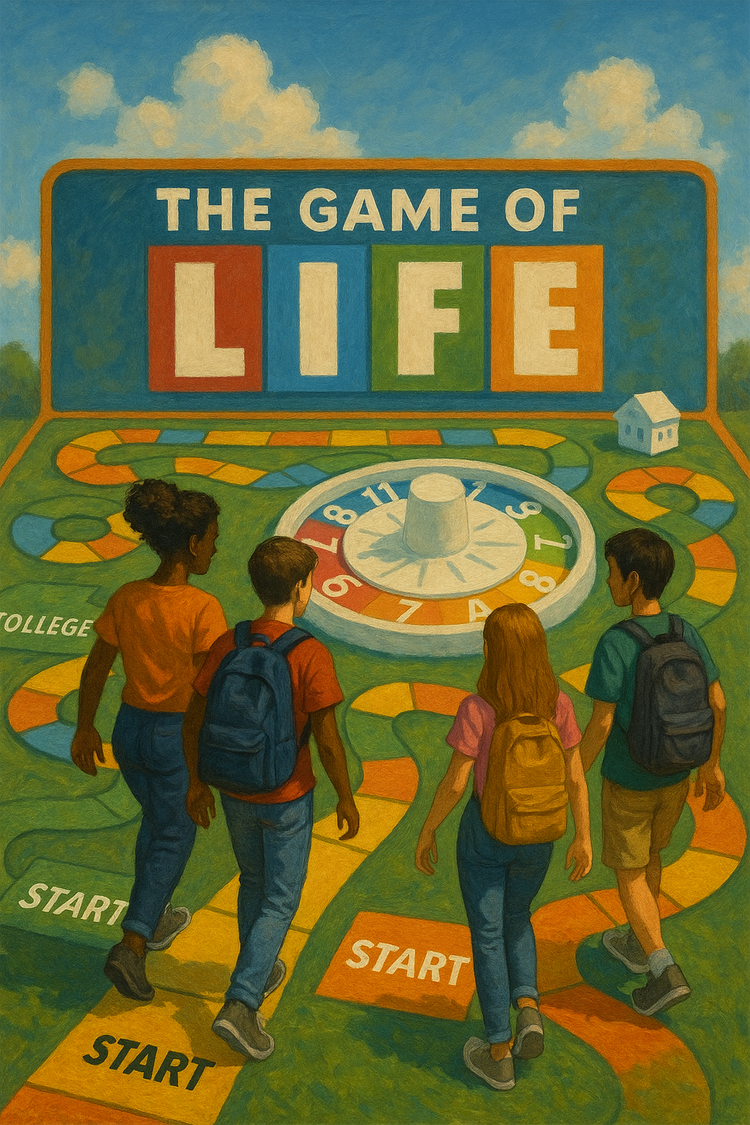
The game of life is real, and it isn’t always fair. With the right skills, confidence and mindset, every challenge becomes a chance to elevate.
Inside a session
Every session is built to be participated in, not sat through. Students talk, argue, practise and write, and they leave with something they can use before the next session.
Sessions run as workshops rather than lectures, with the facilitator working the room instead of the front of it.
Open conversation about things students are already dealing with, handled directly and without talking down to anyone.
Students practise hard conversations out loud, where getting it wrong costs nothing.
Hands-on work that puts communication, problem solving and accountability under real pressure.
Situations students recognise, worked through step by step, including what the choice actually costs.
A workbook designed to be written in, not filed away. See what’s inside.
The curriculum
Each one is taught, practised and revisited across the program, and each has a place in the workbook where students work it through in their own words.
01
02
03
04
05
06
07
08
The workbook
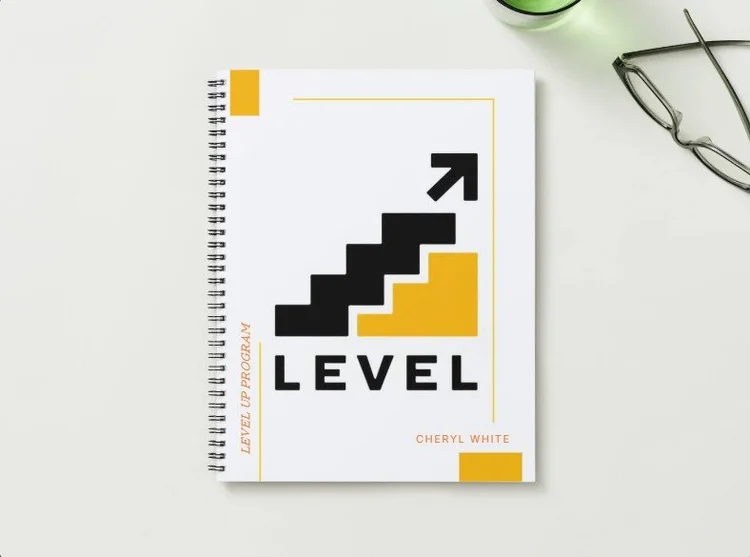
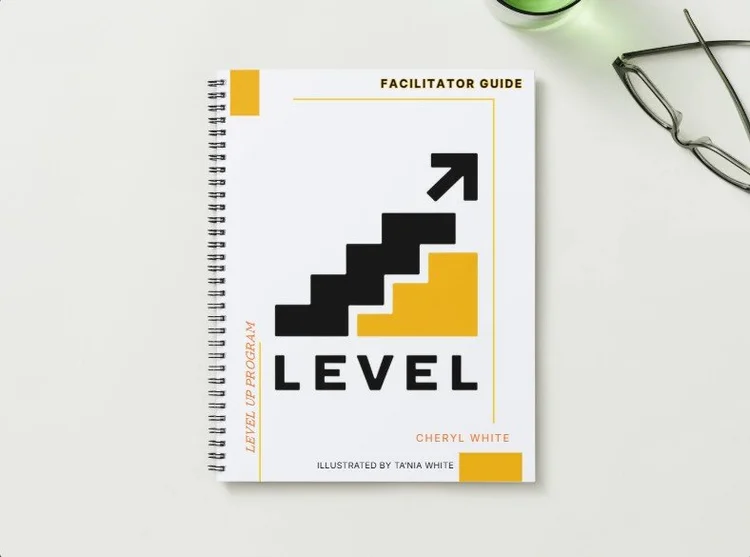
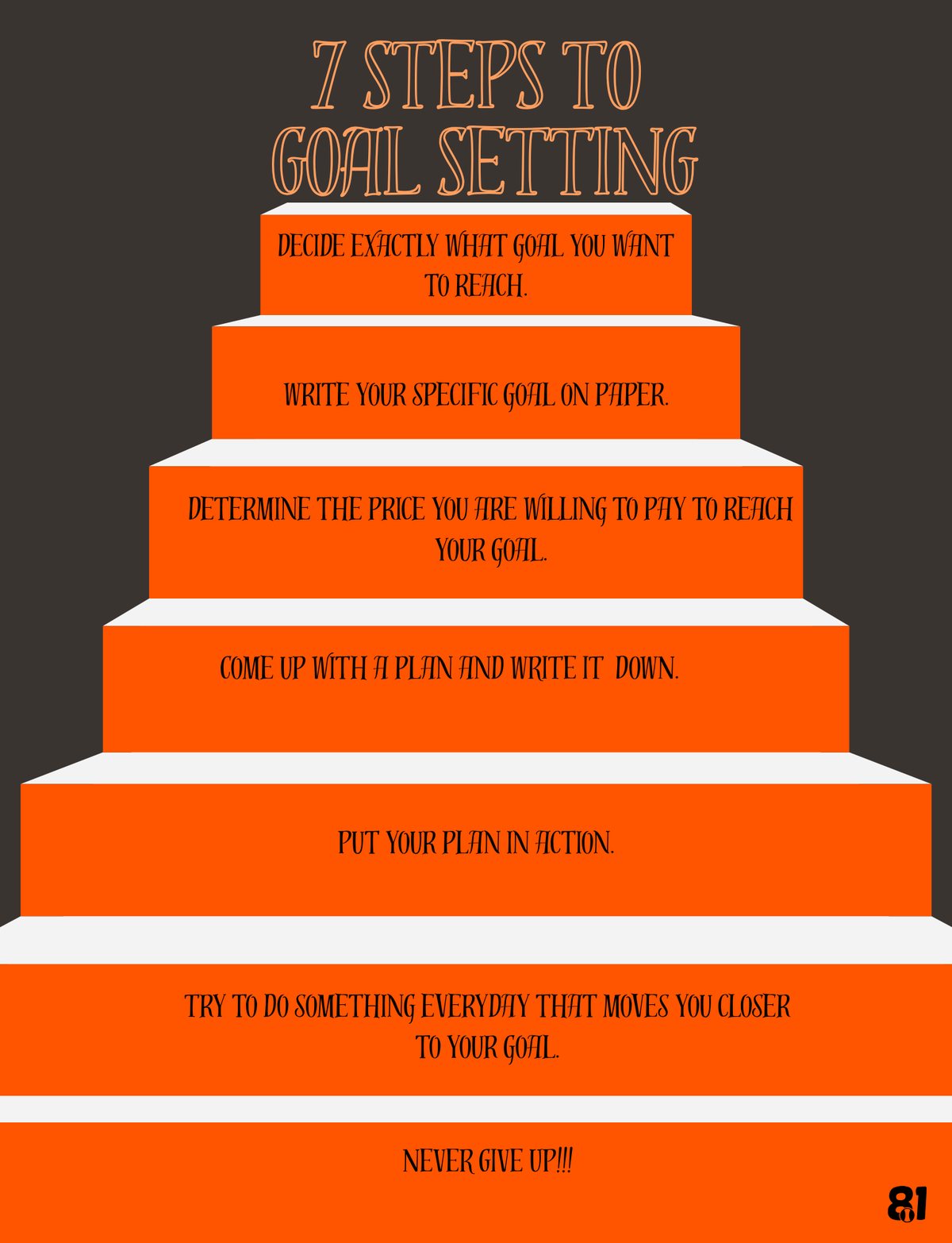
The Level Up student workbook was designed with bold, eye-catching pages that pull readers in from the very first section. It is closer to a magazine than a worksheet packet, on purpose. Every section is built to spark curiosity, engage the imagination and challenge young minds.
It carries the program between sessions: reflection prompts, goal-setting exercises, relatable scenarios and space for students to put things in their own words.
Student feedback
At the end of a program, students answer the same written questions anonymously. These are their pages, unedited and unpolished, including the ones that are hard to read.
What specific part of the program did you find most helpful or valuable?
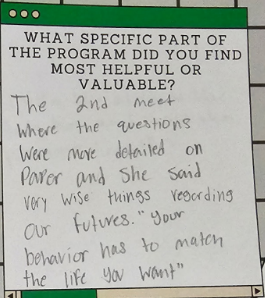
“The 2nd meet where the questions were more detailed on paper and she said very wise things regarding our futures. ‘Your behavior has to match the life you want’”Anonymous student
Did you feel engaged and supported throughout the sessions? Why or why not?
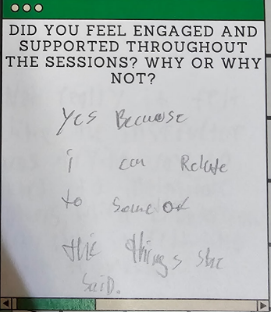
“Yes because I can relate to some of the things she said.”Anonymous student
What specific part of the program did you find most helpful or valuable?
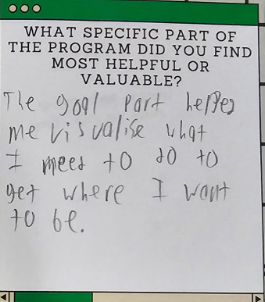
“The goal part helped me visualise what I need to do to get where I want to be.”Anonymous student
Delivery settings
The program is facilitator-led and designed to run inside your setting, on your schedule, with your group.
Next step
Tell us about your setting, your group and your timeline. We’ll come back to you by email with a straight answer about fit. No pressure, no sales sequence.